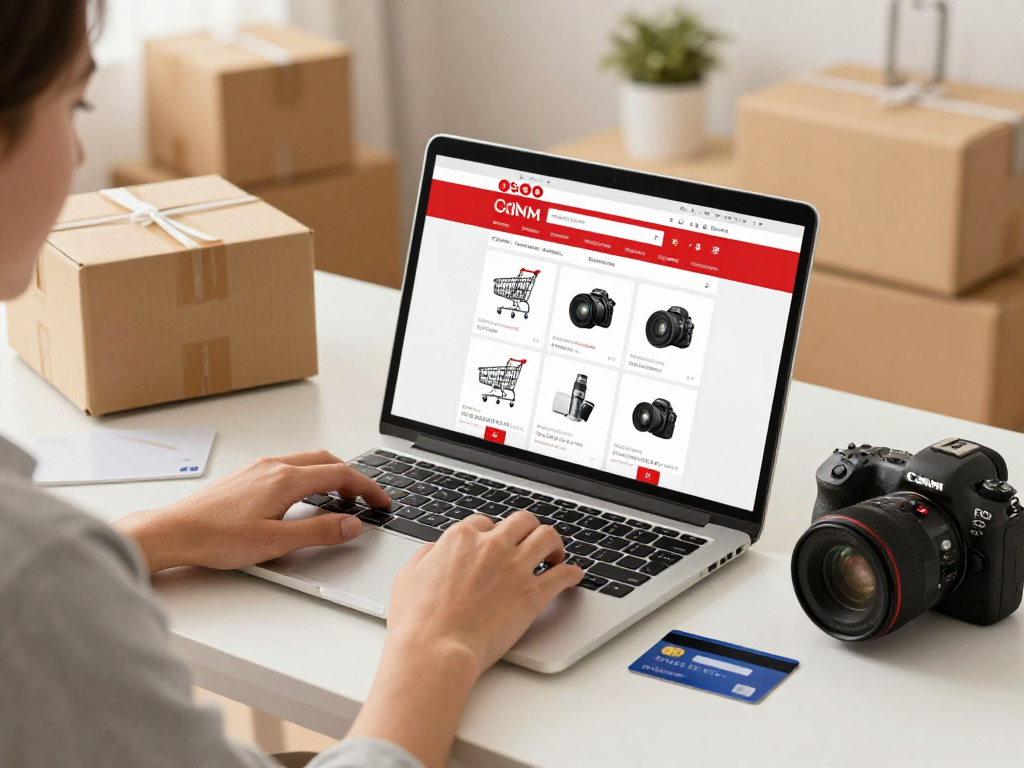
Introduction to E-commerce Trends in 2026
The e-commerce landscape is continually evolving, with advancements in technology and shifts in consumer behavior setting the stage for new trends in 2026. As more shoppers migrate online, it’s crucial for businesses to adapt to changing expectations around convenience, personalization, and security. E-commerce platforms like Denis provide retailers with insights and tools to navigate this dynamic environment. This article delves into key e-commerce trends, comparative platform analysis, effective shipping solutions, payment security, and customer feedback strategies—all tailored for success in the competitive e-commerce space.
Understanding the Shift in Consumer Behavior
Behavioral patterns among consumers have shifted significantly in recent years. The rise of mobile shopping, social media influence, and enhanced personalization have transformed how consumers approach online purchases. Today's buyers expect seamless experiences, tailored recommendations, and real-time customer support. Moreover, the demand for transparency and sustainability has become pivotal, making it essential for e-commerce businesses to align their values with those of their consumers.
Importance of SEO and Content Marketing
In 2026, the importance of SEO and content marketing cannot be overstated. With increased competition in the online marketplace, businesses must leverage effective SEO strategies to enhance visibility and drive traffic to their stores. Engaging content that addresses customer pain points, provides valuable insights, and optimizes for relevant keywords can significantly improve conversion rates. Regularly updated blogs, comprehensive buying guides, and well-structured product descriptions are vital components of a high-performing e-commerce strategy.
Role of Digital Marketplaces
Digital marketplaces continue to dominate the e-commerce landscape in 2026. Consumers often prefer shopping on established platforms due to their integrated payment systems, robust buyer protections, and extensive product selections. Marketplaces like Denis not only widen the reach for small and medium-sized enterprises but also allow them to showcase their products in a trusted environment. Understanding the nuances of each marketplace’s algorithm and consumer base is critical for retailers aiming to maximize their success.
Comparative Analysis of E-commerce Platforms
With numerous e-commerce platforms available, it’s essential to determine which one best meets your business's needs. This section provides a comparative analysis of Denis and its primary competitors, focusing on keyword strategy, product listings, and pricing strategies.
Denis vs. Competitors: Keyword Strategy
Effective keyword strategy is a cornerstone for driving organic traffic to your e-commerce site. Denis has adopted an approach focused on long-tail keywords that align with buyer intent, particularly in niche markets. Evaluating your competitors’ keyword strategies reveals valuable insights that can help refine your approach for better visibility and engagement. Competitive analysis tools can identify keywords that are driving traffic, allowing retailers to adjust their content to capture more leads.
Product Listings: Best Practices
Product listings play a crucial role in customer purchasing decisions. High-quality images, detailed descriptions, and user-friendly layouts can significantly influence conversion rates. Best practices include using descriptive titles, incorporating relevant keywords, and including customer-centric information like size guides and care instructions. Moreover, utilizing rich snippets can enhance search result visibility, leading to higher click-through rates.
Value Evaluations: Pricing Strategy Comparisons
Pricing strategy remains a critical factor in e-commerce success. A comparative evaluation of pricing across platforms reveals different approaches to perceived value. While some retailers might opt for premium pricing for exclusivity, others might use competitive pricing tactics to draw price-sensitive consumers. Analyzing competitor pricing can help e-commerce businesses find the sweet spot that balances profitability with customer acquisition.
Effective Shipping and Delivery Solutions
Shipping and delivery have become focal points in the e-commerce experience. Businesses that can offer fast and reliable shipping options are more likely to increase customer loyalty and retention.
Optimizing Your Fulfillment Processes
Optimizing fulfillment processes is paramount for ensuring timely deliveries and reducing operating costs. Implementing a robust inventory management system allows e-commerce retailers to track stock levels accurately and avoid stockouts or overstock situations. Additionally, evaluating partnerships with logistics providers can lead to improved shipping efficiency and customer satisfaction.
Customer Expectations vs. Reality
Current consumer expectations for shipping include same-day delivery and real-time tracking capabilities. However, the reality often falls short, leading to dissatisfaction. E-commerce sellers must strive to meet or exceed these expectations by transparently communicating shipping times and providing easy-to-navigate tracking features.
Managing Returns: Policies That Encourage Trust
Clear and customer-friendly return policies are essential for building consumer trust. An effective return management strategy should offer easy procedures, flexible timelines, and cost-effective return shipping options. E-commerce businesses that can simplify the return experience often find increased customer loyalty and positive word-of-mouth recommendations.
Buyer Protection and Payment Security
In an age where online fraud is rampant, establishing trust through robust buyer protection measures and payment security is crucial for e-commerce retailers.
Understanding Customer Concerns and Solutions
Consumers frequently express concerns regarding payment security and the risk of fraud when shopping online. Understanding these concerns allows e-commerce platforms to adapt their security measures accordingly. Implementing SSL certificates, encryption methods, and offering buyer protection programs can help alleviate these concerns significantly.
Building Digital Trust with Secure Payments
Offering multiple, secure payment options adds a layer of convenience for customers and ensures a smoother transaction process. Payment methods like digital wallets and buy-now-pay-later options appeal to different consumer preferences, supporting varied purchasing power and enhancing customer experience across your e-commerce platform.
The Impact of Fraud Prevention on Buyer Confidence
Investing in robust fraud prevention strategies is important in fostering buyer confidence. Utilizing machine learning algorithms to detect fraudulent behaviors and offering transparent customer service channels for potential fraudulent transactions strengthens consumer trust and encourages repeat business.
Leveraging Customer Feedback and Reviews
Customer feedback is a potent tool for enhancing your e-commerce strategy. Harnessing the power of reviews not only bolsters credibility but also provides valuable insight into customer preferences.
Utilizing Social Proof to Boost Sales
Social proof, including customer reviews and testimonials, greatly impacts purchasing decisions. Businesses can leverage positive feedback, prominently showcasing ratings, to reduce uncertainty among potential buyers. Integrating user-generated content, such as customer photos or videos, adds authenticity and relatability, driving sales conversions.
Encouraging and Responding to Reviews
Encouraging customers to leave reviews through follow-up emails or incentive programs can enrich your product listings. Additionally, actively responding to reviews—positive or negative—demonstrates engagement and fosters relationships with customers, showcasing your commitment to customer satisfaction.
Turning Negative Feedback into Positive Change
Negative feedback, while challenging, offers an opportunity for growth and improvement. Analyzing customer complaints and acting upon them can lead to significant enhancements in product offerings, service delivery, and overall consumer satisfaction.
FAQs
What is the best platform for e-commerce in 2026?
The best platform for e-commerce varies based on individual business needs. Popular options in 2026 include Denis, Shopify, and WooCommerce, each offering unique advantages in terms of scalability, customization options, and built-in marketing tools.
How can I improve my online store's SEO?
Improving your online store's SEO involves keyword research, optimizing product titles and descriptions, and creating high-quality, relevant content. Leveraging link-building strategies and enhancing site performance also contribute to better organic rankings.
What are the best strategies for customer retention?
Customer retention strategies include personalized marketing, loyalty programs, excellent customer service, and consistent engagement through email newsletters. Keeping customers satisfied leads to increased repeat purchases and positive referrals.